Entry · Ref _CYMT44V
Tree Disease Warning Signs Sunshine Coast Owners Miss
- Posted
- 2026-10-31
- Last amended
- 2026-10-31
- Account
- @codyphvn217
The Sunshine Coast is renowned for its lush subtropical canopy, spanning from coastal paperbarks and pandanus to the towering eucalypts of the hinterland. However, the region's humid summers, high seasonal rainfall, and sandy or clay-heavy soils create ideal breeding grounds for insidious plant pathogens. Tree diseases rarely announce themselves overnight; instead, they progress quietly beneath the surface. By the time branches snap or foliage completely turns brown, internal decay has often advanced past the point of recovery.
Subtle Canopy and Foliage Alterations
Most property owners only notice a sick tree when large limbs die off, but trees provide subtle early warnings in their upper crowns. In places like Buderim, Caloundra, and Noosa, high moisture levels accelerate fungal and bacterial blights. A healthy tree maintains a uniform, vibrant canopy. When pathogens take hold, subtle shifts in leaf texture, density, and color appear first.
One frequently missed indicator is epicormic growth. When a tree experiences severe physiological stress from root disease or vascular infection, it sprouts dense clusters of small, spindly shoots directly from the trunk or primary scaffold limbs. This is not a sign of healthy regeneration; it is a desperate survival mechanism to produce energy when the outer canopy is failing.
Visual Symptoms Often Dismissed as Weather Stress
- Chlorosis and Premature Leaf Drop: Leaves yellowing between veins or dropping out of season, often mistaken for normal dry-spell shed.
- Powdery or Rust-Colored Spores: Bright yellow or rust-toned powdery pustules on new growth, characteristic of Myrtle rust ( Austropuccinia psidii), which attacks common native species like paperbarks, bottle brushes, and lilly pillies.
- Localized Crown Thinning: Dieback beginning at the tip of the highest branches and gradually migrating inward, signaling vascular disruption.
- Abnormal Leaf Size: Stunted, misshapen, or curled new growth indicating compromised nutrient uptake.
Trunk and Root Flare Abnormalities
While foliage offers a glance into systemic vitality, structural health is dictated by the trunk and root plate. Coastal storms place immense lateral loads on trees; a trunk compromised by internal decay presents an invisible, catastrophic hazard to homes and power lines.
Fungi that decompose heartwood often produce fruiting bodies—commonly known as conks or bracket fungi. If shelf-like mushrooms appear directly on the bark, in limb crotches, or emerging from the soil at the base of the root flare, extensive internal fungal decay has already occurred. Because the bark may look intact, property owners frequently overlook these brackets, assuming they are harmless surface moss or lichen.
Another overlooked symptom is weeping sap, also known as bacterial flux or gummosis. When dark, sticky, or foul-smelling fluid oozes from trunk fissures, it typically indicates active internal infection or cankers breaking through the cambium layer. Left unmanaged, these cankers girdle the trunk, severing the vascular pipelines that sustain the canopy.

Root Rot and Ground-Level Instability
Root pathogens such as Phytophthora cinnamomi thrive in waterlogged coastal soils after heavy rainfall events. Because the damage happens underground, property owners miss root rot until ground stability is compromised.
Warning signs of root degradation include soil mounding or cracking on the windward side of a leaning tree, or a sudden, slight lean after sustained rainfall. If fine feeder roots rot away, the tree cannot anchor itself or absorb trace minerals, resulting in canopy decline that mimics drought stress even in saturated soil.
Proactive Management Steps for Sunshine Coast Residents
Managing tree health in our unique climate requires routine observation and early intervention. Local council regulations strictly protect substantial trees across the Sunshine Coast, meaning preservation through early disease treatment https://raymondkifh196.wpsuo.com/does-home-insurance-cover-storm-damage-from-fallen-trees is both ecologically sound and legally practical.
- Schedule Annual Arboricultural Health Audits: Engage a qualified AQF Level 5 consulting arborist to carry out sonic tomography or resistograph testing if internal hollows or fungal brackets are suspected.
- Maintain Proper Root Zone Hygiene: Avoid piling soil or mulch directly against the trunk flare, which traps moisture and accelerates collar rot. Keep mulch ten centimeters away from the trunk base.
- Improve Soil Drainage: In low-lying coastal pockets, install subsoil drainage to prevent stagnant water from harboring waterborne fungal spores around root systems.
- Sterilize Pruning Equipment: Disinfect loppers and saws between trees with an alcohol solution to avoid transmitting pathogens between healthy and diseased specimens.
Catching tree disease early preserves the natural beauty of your landscape, prevents costly emergency tree removals, and ensures your property remains safe during severe storm seasons.

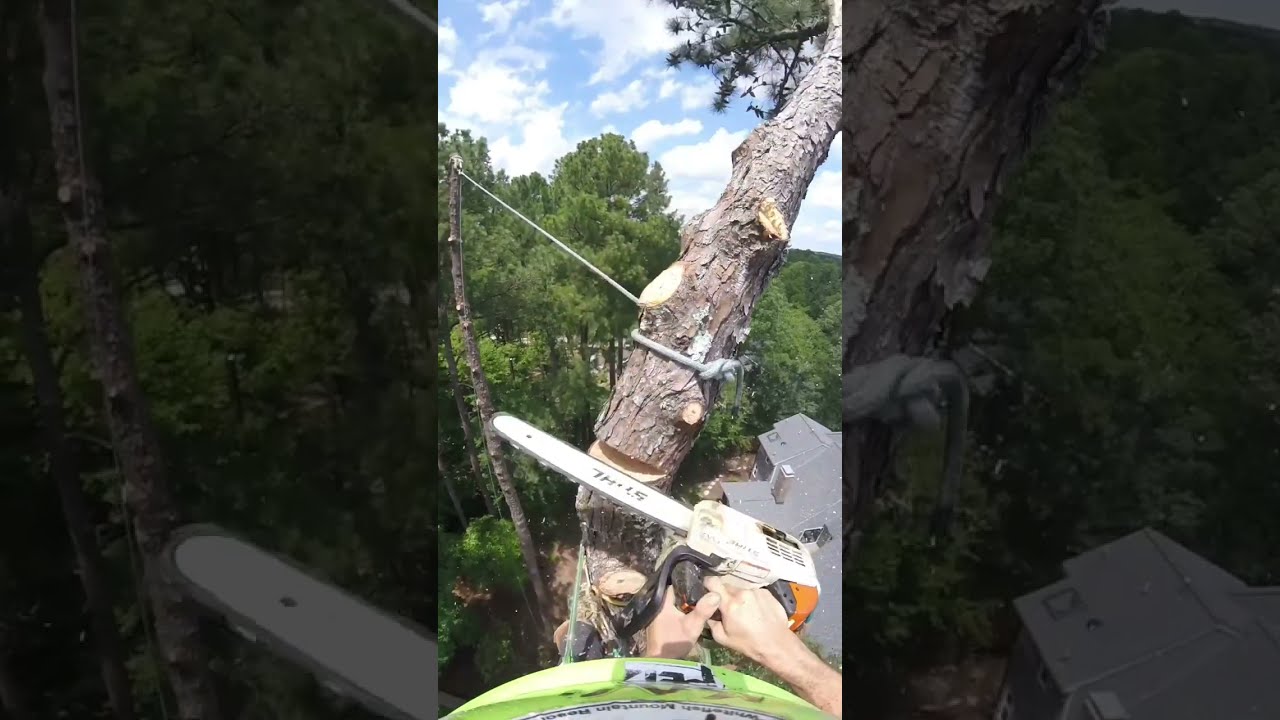
Sunshine Coast Tree Removal Experts
Unit 5/12 Kelly Ct, Buderim QLD 4556
(07) 4144 9008